When it comes to precision, flexibility, and efficiency in woodworking, a 5-axis CNC wood router is truly a game-changer. Whether you're working on custom furniture, intricate carvings, or complex prototypes, the ability to manipulate wood with a 5-axis machine is unmatched. In this blog post, we’ll take a closer look at what makes the best 5-axis CNC wood machine stand out, how they revolutionize the woodworking industry, and why they are an investment you won’t regret.
What Makes a 5-Axis CNC Wood Router Different?
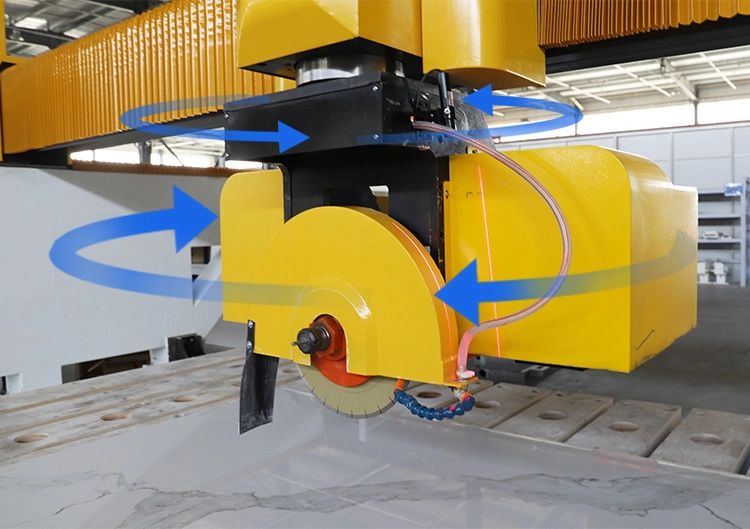
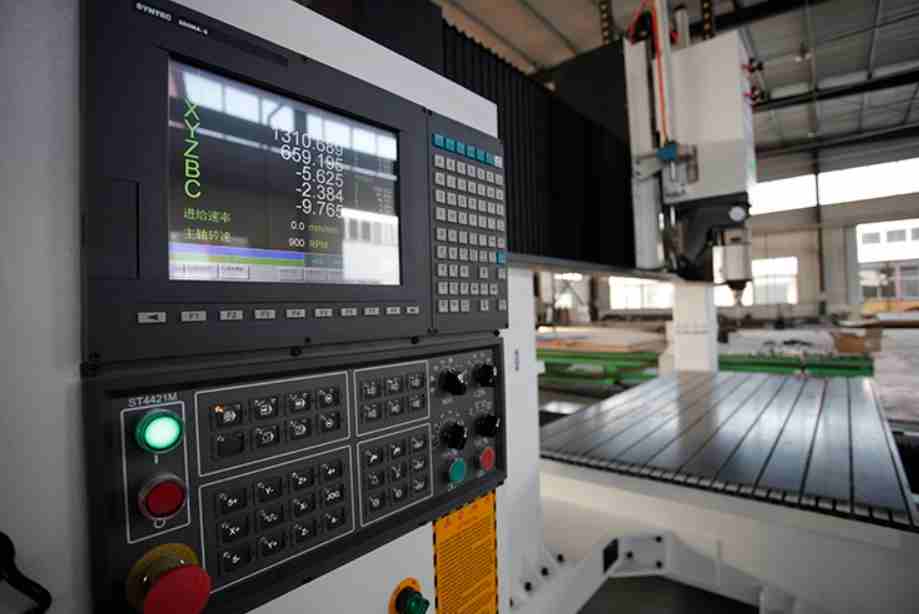
Unlike traditional 3-axis CNC routers, which move in only three directions (X, Y, Z), a 5-axis CNC wood router takes it a step further by introducing two rotational axes. These additional axes allow the router to tilt and rotate the material, which provides the ability to cut and engrave from nearly any angle. This increased flexibility translates into a machine that can produce far more intricate and complex designs without the need for manual repositioning.
The Key Features of a 5-Axis CNC Wood Router:
Five Directions of Movement: The ability to move along the X, Y, Z axes, plus rotation along two additional axes, gives you unprecedented freedom to carve and shape wood in ways that were once impossible.
Multi-Angle Cutting: The extra axes allow for cutting at multiple angles, which is perfect for creating detailed, 3D designs or working on curved surfaces.
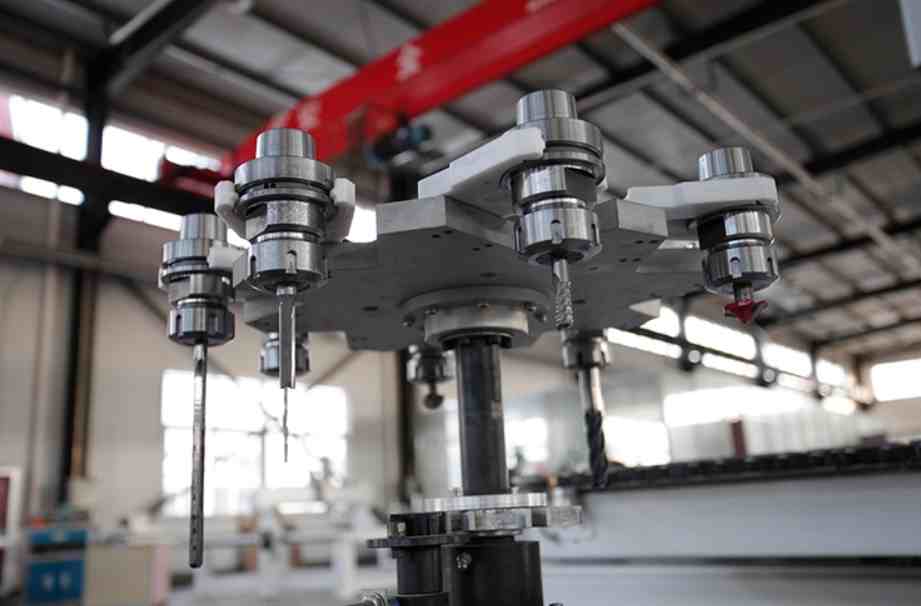
Reduced Setups: Thanks to its multi-axis capabilities, a 5-axis router can perform multiple operations in one go, minimizing the need for repositioning or tool changes.
With these features, the 5-axis CNC wood router is ideal for high-end woodworkers and businesses looking to push the boundaries of traditional woodworking.
Why Choose a 5-Axis CNC Wood Router?
1. Precision and Accuracy
A 5-axis CNC router offers precision down to the finest detail. Whether you're carving detailed patterns, producing custom inlays, or working with delicate wood veneers, this machine ensures that every cut is accurate. It’s no surprise that industries like aerospace, automotive, and custom cabinetry favor this machine for its unparalleled accuracy.
2. Flexibility and Versatility
The multi-axis movement enables the 5-axis CNC machine to take on a wide range of tasks. It can handle complex shapes, custom contours, and detailed sculptures that would be difficult or impossible with a 3-axis machine. From traditional woodworking to artistic carvings, these routers offer unlimited possibilities for creative expression.
3. Increased Production Speed
A major benefit of investing in a 5-axis CNC wood router is the significant increase in production speed. Since the router can handle multiple operations in a single setup, it saves time and reduces the number of interventions required. The machine can cut, engrave, and carve from various angles, speeding up the entire process and making it more efficient.
4. Consistent Results
The precision of a 5-axis CNC router ensures that you get consistent results every time. Unlike manual or less advanced CNC routers, where human error or machine recalibration may affect results, a 5-axis machine operates consistently to produce high-quality results across large production runs.
5. Ability to Work with Multiple Materials
While typically used for wood, 5-axis CNC routers are also capable of working with other materials such as plastic, foam, and composites. This makes them versatile tools for businesses that work with a variety of materials and are looking for an all-in-one solution for different types of fabrication.
Top Applications of a 5-Axis CNC Wood Router
1. Custom Furniture Making
In the world of custom furniture, precision is paramount. A 5-axis CNC wood router allows designers and craftsmen to create complex shapes, joints, and inlays, resulting in pieces that stand out for their fine craftsmanship. Whether you’re crafting one-of-a-kind tables, chairs, or cabinets, the ability to create detailed, bespoke designs is a huge advantage.
2. Architectural Woodwork
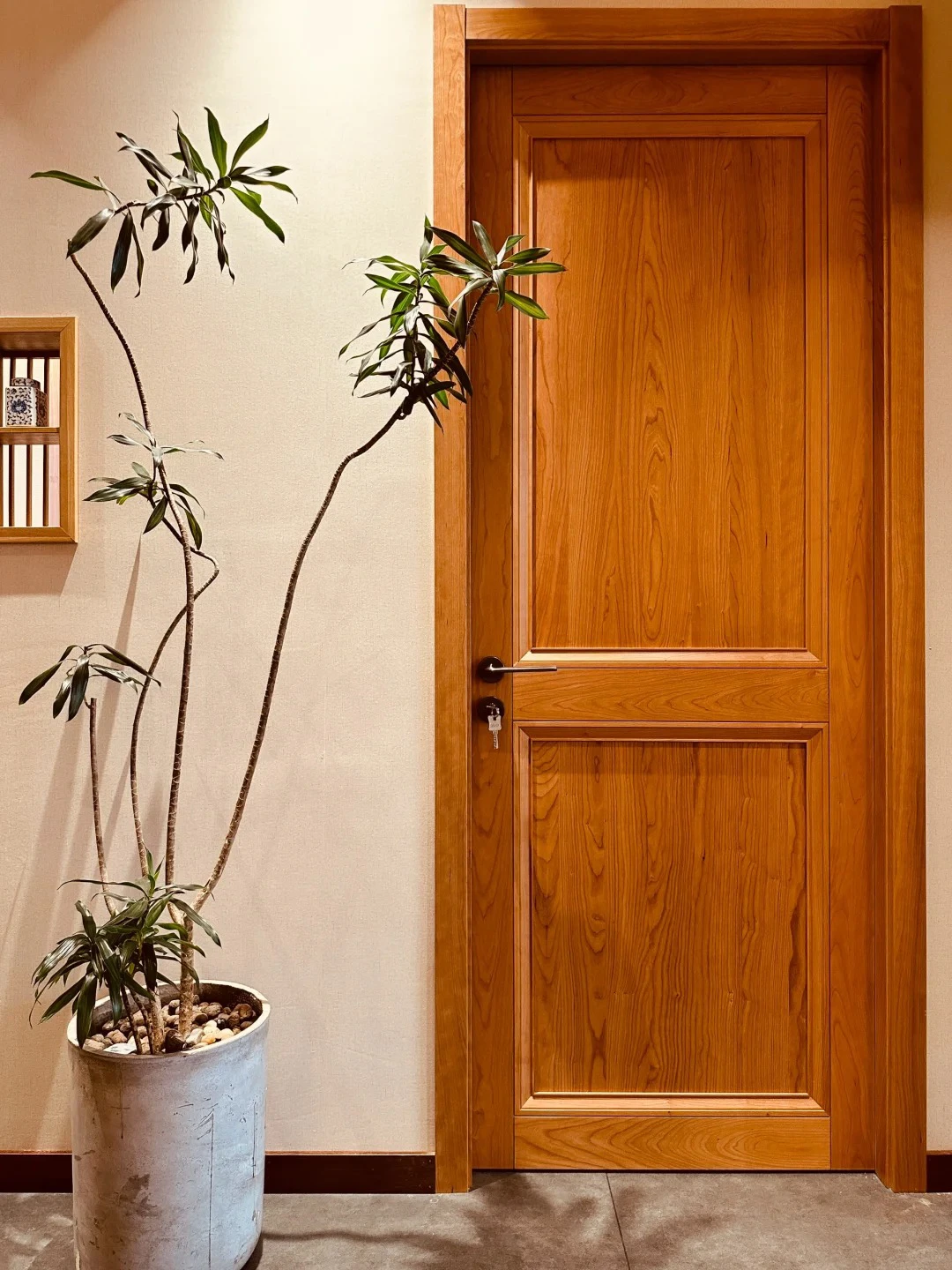
Architectural woodwork demands both beauty and functionality. A CNC router excels in cutting, shaping, and engraving wood for architectural elements like molding, paneling, staircases, and custom doors. The ability to cut at various angles ensures intricate detailing that can elevate the overall design of a building.
3. Wood Sculpting and Artistic Carvings
Artists and sculptors can unlock new levels of creativity with a CNC router. The router allows for the creation of 3D sculptures and detailed relief carvings that would be time-consuming and difficult with hand tools. Whether creating statues, decorative panels, or intricate designs, the machine makes artistic work faster and more precise.
4. Prototyping
In industries like automotive and product design, prototyping is a crucial step. The CNC router is invaluable for creating accurate prototypes quickly and efficiently. Its ability to cut detailed patterns and shapes from wood and other materials means designers can test and refine their products before moving to production.
5. Sign Making and Engraving
A 5-axis CNC wood router is ideal for sign makers looking to create detailed, custom signage. From intricate logos to dimensional lettering and decorative engraving, the router can handle projects that require precision cutting and the ability to carve at multiple angles.