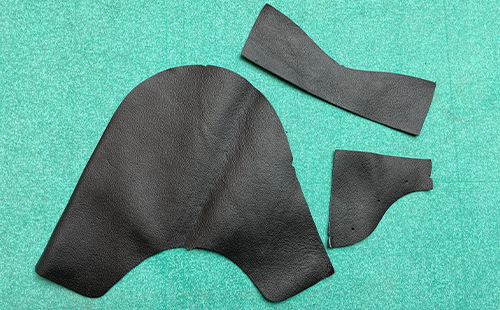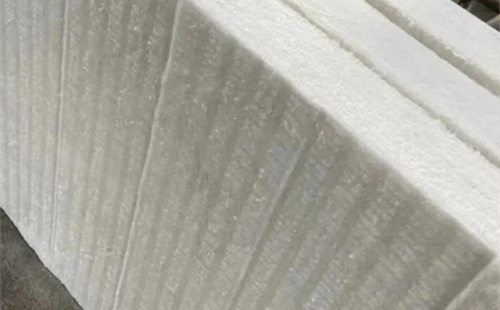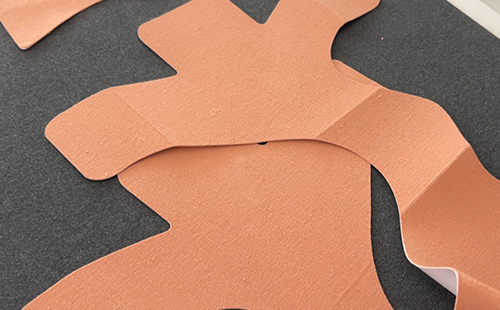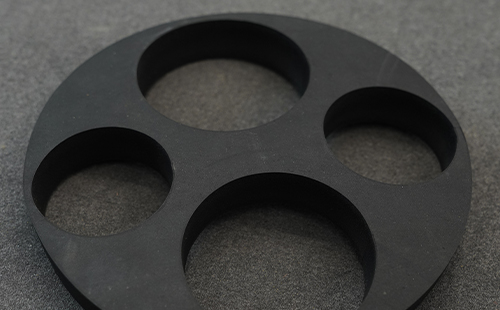
EPDM (Ethylene Propylene Diene Monomer) is a saturated main-chain synthetic rubber material with outstanding ozone resistance, UV resistance and wide temperature adaptability, stably serving working conditions from -40℃ to 120℃. Featuring excellent resilience, low compression permanent deformation, waterproof and anti-corrosion performance, it has become an indispensable core material in industrial sealing and shock absorption fields. Common EPDM types include solid EPDM rubber sheets, EPDM foam cotton, EPDM waterproof rolls and sealing strip raw materials, widely applied in automotive sealing, building waterproofing, photovoltaic frame sealing, electronic shock absorption, rail transit and other industries.
As a highly elastic and high-viscosity rubber material, EPDM has much higher processing thresholds than ordinary plates. Its strong resilience easily causes size shrinkage and edge deformation after cutting; high material viscosity leads to tool sticking and burrs; high-temperature processing will destroy rubber molecular structures, resulting in reduced sealing performance and accelerated aging. Traditional cutting processes cannot balance dimensional accuracy, flat edge finish and original material performance. Adopting high-frequency physical cold cutting technology, the CNC oscillating vibration knife cutting machine specifically solves EPDM processing pain points such as rebound deformation, tool sticking and thermal damage, becoming the mainstream automatic blanking equipment for sealing parts and waterproof roll processing factories.
Core Pain Points of Traditional EPDM Rubber Cutting Processes
EPDM rubber features strong elasticity and high friction coefficient, requiring strict control of cutting force, temperature and tool sharpness. All traditional processing methods have unavoidable defects that restrict product quality and production efficiency:
1. Manual Cutting: Severe Rebound Deformation & Uncontrollable Precision
Manual blanking with utility knives and scissors relies entirely on worker experience. The rubber is squeezed and rebounded during cutting, causing large shrinkage deviation of cut pieces. Special-shaped sealing gaskets and micro shock-absorbing pads show extremely poor consistency, easily leading to poor sealing and uneven shock absorption after assembly. In addition, manual typesetting has low material utilization, causing serious waste of high-cost special rubber raw materials. It is only suitable for scattered small orders and cannot meet standardized mass production requirements.
2. Laser Thermal Cutting: Thermal Material Damage & Attenuated Sealing Performance
Laser cutting is a typical high-temperature thermal melting process. EPDM rubber melts, hardens and scorches at high temperatures, destroying its saturated molecular structure. The cutting area suffers reduced resilience and accelerated aging, greatly shortening the waterproof and weather-resistant service life of sealing parts. Meanwhile, high-temperature burning produces irritating rubber flue gas, polluting the workshop environment and failing to meet the clean production standards of automotive and electronic industries.
3. Die Stamping: Extrusion Deformation & High Style Switching Cost
Die cutting shapes materials through high-pressure punching. The strong pressure compresses the internal structure of EPDM rubber. Thick plates cannot fully rebound after cutting, resulting in permanent indentation deformation and poor sealing fitting performance. Moreover, each special-shaped gasket requires a customized exclusive die with long opening cycles and high costs. It lacks production flexibility for current multi-specification and small-batch customized sealing orders, limiting product diversification and profit margins.
4. Rotary Knife Cutting: Tool Sticking Burrs & Incomplete Thick Material Cutting
Rotary disc knives separate materials by extrusion and tearing. Due to the high viscosity of EPDM, the blade easily sticks to the rubber during processing, causing edge burrs and tensile deformation. Thick high-density EPDM plates often suffer from incomplete cutting and uneven sections, requiring a large number of subsequent manual trimming and polishing procedures, which greatly extend the production cycle and increase labor costs.
To retain the original sealing and resilience performance of EPDM finished products while achieving high-precision, deformation-free and flexible production, CNC vibration knife cold cutting has become the most adaptive automatic processing solution for the industry.
Core Advantages of Vibration Knife Cutting Machine for EPDM Rubber Processing
Targeting the high elasticity and high viscosity characteristics of EPDM materials, our vibration knife cutting machine optimizes the knife head vibration frequency, cutting pressure and traveling speed, supporting continuous stable processing of EPDM sheets and rolls with different hardness and thicknesses.
1. Normal Temperature Cold Cutting, Complete Retention of Rubber Sealing Performance
The equipment completes cutting through high-frequency reciprocating blade vibration without generating high temperature during the whole process. There is no thermal melting, scorched edges or hardening, and the EPDM molecular structure and resilience characteristics remain intact. The compression permanent deformation rate of cut gaskets is not affected, and the weather resistance, waterproof and shock absorption performance are fully retained, fully complying with the long-term operating standards of automotive, photovoltaic and construction industries.
2. Low-Resistance Flexible Cutting, Restrain Rebound Deformation & Ensure Dimensional Accuracy
High-frequency vibration cutting greatly reduces the contact resistance between the blade and rubber, minimizing material extrusion and stretching, and effectively avoiding dimensional deviation caused by EPDM rebound and shrinkage. Equipped with a zoned vacuum adsorption table, the equipment firmly fixes plates without sliding or arching during cutting. The cutting precision is stably controlled within ±0.1mm, ensuring high dimensional consistency of cut pieces and significantly improving the assembly fitting degree of sealing parts.
3. Smooth Cutting Edges Without Tool Sticking & No Secondary Trimming Required
By optimizing the blade angle and vibration parameters, the cutting process is clean and tool-stick free. Both solid rubber plates and EPDM foam cotton achieve smooth and flat sections without burrs, wire drawing or notches. Finished products can be directly assembled and put into use, eliminating manual trimming and polishing procedures, reducing labor costs and shortening processing cycles.
4. Mold-Free Digital Production, Flexible for Multi-Specification Orders
No custom physical dies are required. Import DXF and CAD drawings to generate cutting paths in one click, realizing one-time forming of large-size flange gaskets, micro sealing rings and special-shaped shock-absorbing pads. New product proofing is fast, and style modification only requires adjusting electronic drawings. The equipment is suitable for both small-batch customized orders and large-scale mass production, greatly shortening product delivery cycles and improving market response speed.
5. Intelligent Nesting & Material Saving, Reduce High-End Rubber Loss
EPDM special rubber raw materials have high costs. The equipment is equipped with a professional intelligent nesting system that automatically optimizes the layout of cut pieces, supporting common-line cutting and compact nesting with a material utilization rate of over 90%-95%. It significantly reduces edge waste and effectively controls production costs. The optional automatic coil feeding system supports uninterrupted continuous cutting, fully adapting to the large-scale processing of EPDM waterproof rolls and sealing strip raw materials.
Applicable Materials & Industry Application Scenarios
Applicable Materials: Solid EPDM rubber sheet, EPDM foam cotton, EPDM waterproof roll, EPDM sealing strip, flame-retardant EPDM plate, fabric-reinforced EPDM composite rubber and other customized EPDM materials.
Application Scenarios: Automotive door and battery pack sealing gaskets, building door, window and curtain wall sealing strips, photovoltaic frame sealing parts, electronic and electrical shock-absorbing cushions, rail transit sound insulation and shock absorption accessories, industrial flange sealing gaskets, roof waterproof roll cutting and processing.
Customized Advantages of Professional EPDM Cutting Equipment from Source Manufacturer
With in-depth experience in rubber sealing material cutting, we provide exclusive equipment configuration and full-process technical support for the special processing needs of the EPDM industry:
First, exclusive rubber knife head configuration. Standard hard alloy vibrating blades with optimized edge angles for high-viscosity rubber effectively solve tool sticking problems. Optional pneumatic knife heads adapt to EPDM plates with a thickness of 3-50mm, realizing deformation-free cutting for thin materials and one-time full penetration for thick materials, covering full-spec rubber processing demands.
Second, pre-set parameter library for sealing industry. Built-in mature cutting parameters for automotive gaskets, flange gaskets and waterproof rolls, including customized schemes of vibration frequency, feeding speed and cutting pressure for EPDM with different Shore hardnesses. No repeated debugging is required for new materials, enabling rapid mass production launch.
Third, production line linkage expansion capability. The equipment can be connected with automatic feeding and receiving platforms to seamlessly dock with existing sealing part production lines, realizing integrated operation of coil feeding, deviation correction, cutting and material collection, reducing manual transfer links and improving overall line automation.
Fourth, full-cycle technical service support. Free sample cutting and exclusive customized processing solutions are provided for customers. We offer on-site installation, commissioning and systematic operator training, as well as remote parameter optimization guidance for new rubber materials and new processes in the later stage to ensure long-term stable production adaptation.
Conclusion
The core difficulties of EPDM rubber processing lie in controlling rebound deformation, avoiding high-temperature performance damage and ensuring flat sealing cutting edges. Traditional manual, laser, die stamping and rotary knife processes either deliver low finished product precision, damage material performance or incur high production costs, failing to adapt to the refined and customized development trend of the modern sealing industry.
With the advantages of zero thermal damage, low rebound deformation, high precision and mold-free flexible production, the CNC vibration knife cold cutting machine fundamentally guarantees the sealing performance and dimensional consistency of EPDM finished products, balancing production efficiency and material utilization. It is the preferred automatic blanking solution for EPDM sealing parts and waterproof rolls in automotive, construction, electronic and new energy industries.
If you have EPDM rubber cutting and processing demands, welcome to contact us for free sample testing, exclusive customized cutting solutions and accurate equipment quotations.