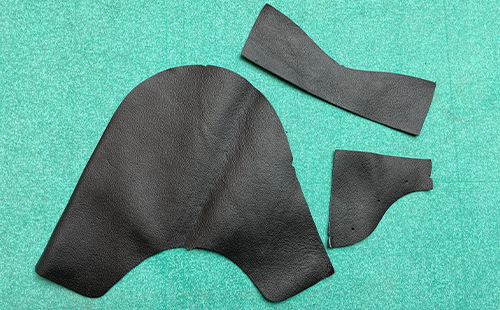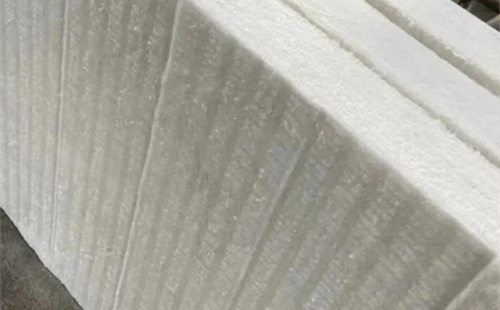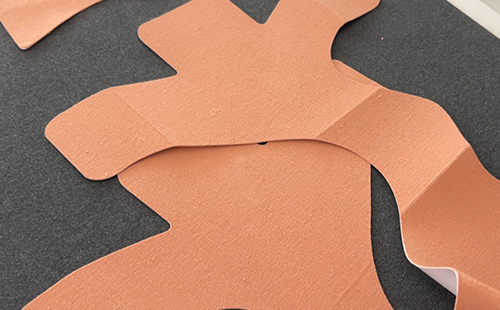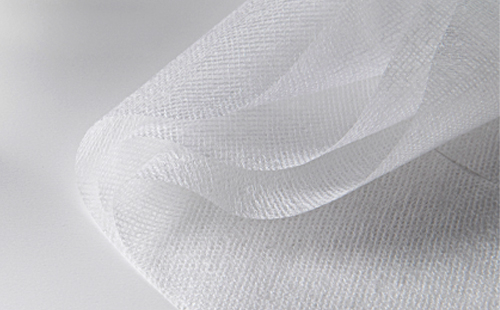
Filter cloth is flexible filter fabric mainly made of polyester, polypropylene, nylon and other chemical fibers. It includes woven filter cloth with warp-weft structure and 3D needle felt. It is widely used for solid-liquid separation and gas-solid filtration in plate and frame filter presses, belt filters, dust collectors and filter cartridges.
There are three key cutting challenges for filter cloth, different from ordinary textiles:
1. Fraying and loose edges. The yarns of woven filter cloth will separate after ordinary blade cutting. Loose threads and rough edges directly reduce filtration efficiency and damage sealing of filter plates.
2. Thermal sensitivity. Polyester and polypropylene melt easily under heat. Laser or hot blade cutting leaves hard yellow melted crusts on cut edges. These melted solids block filter pores and reduce air permeability and filtration accuracy.
3. Elasticity and thin thickness. Nylon filter cloth stretches easily and deforms under pulling force. Thin filter cloth shifts and wrinkles during cutting and causes dimensional errors.
When selecting filter cloth cutting equipment, focus on three core points: edge locking to prevent fraying, low processing temperature to avoid burnt edges, and stable material holding to avoid deformation.
Four Mainstream Filter Cloth Cutting Methods
1. Oscillating Knife Cutting Machine
Working principle: High-frequency blade vibration, physical cold cutting. The CNC Oscillating Knife Cutter generates no heat during cutting.
Advantages: Cold cutting without burnt edges, preserving original pore structure of filter cloth. Import CAD files to cut irregular shapes, holes and batch pieces. No mold cost for new designs. Vacuum adsorption system firmly holds materials.
Disadvantages: Higher equipment investment compared with manual cutting.
Applications: Plate and frame filter press filter cloth, irregular filter pieces, filter cloth blanks. It is the mainstream Flatbed Digital Cutter for flexible filter cloth cutting.
2. Ultrasonic Cutting Machine
Working principle: 20kHz~40kHz high-frequency vibration instantly melts fibers. Cutting and edge sealing finish in one pass.
Advantages: Integrated cutting & sealing. Smooth cut edges without loose threads, ideal for filter bags, filter cartridges requiring sealed edges.
Disadvantages: Relatively low cutting speed. Limited performance on thick materials and large-size workpieces.
Applications: Baghouse dust filter bags, filter cartridges and filter elements with edge sealing requirements.
3. Laser Cutting Machine
Working principle: Laser ablation cutting. Narrow kerf and molten sealed edges.
Advantages: High precision, capable of fine complex shapes. Suitable for thin polyester filter cloth.
Disadvantages: Most filter cloths are heat-sensitive. Laser creates burnt edges, smoke and melted residues which block filter pores. Not suitable for thick filter cloth and needle felt. High cost of consumables and maintenance.
Applications: Thin small filter pieces with sealing needs and heat-resistant fabrics. Material test is mandatory before use.
4. Manual Cutting & Die Punching
Ordinary fabric cutting machines or manual cutting: Low cost for small batch straight strips. Poor edge quality, low efficiency and low precision.
Die punching: High speed for mass production of fixed shapes. New dies are required for every new pattern, leading to high mold cost and long lead time.
Match Equipment by Product Type
✅ Plate and frame filter press filter cloth (rectangle, circle, holes for filter plates): Choose CNC Oscillating Knife Cutter. Directly cut from CAD files without molds. It is widely adopted by filter cloth factories.
✅ Dust filter bags, filter cartridges needing sealed edges: Choose ultrasonic cutting machine, or use oscillating knife cutting followed by edge sealing. One-step cut & seal solves fraying issues.
✅ Belt filter filter belts and continuous rolls: Select Oscillating Knife Cutting Machine with automatic feeding and web guiding system for continuous nesting cutting of wide rolls.
✅ Thin small filter pieces with high precision: Laser Cutting Machine is optional. Test heat resistance first. Avoid polyester and polypropylene prone to thermal melting.
✅ Fixed single product with stable large orders: Die punching can be considered after calculating mold cost and order volume.
If you are unsure, send filter cloth samples and drawings to manufacturers for trial cutting. Inspect edge quality, fraying condition and dimensional accuracy before final purchase.
Three Common Buying Mistakes
1. Using laser cutting for all filter cloth. Polyester and polypropylene are heat-sensitive synthetic fibers. Laser creates melted residues blocking pores and reduces filtration performance. Laser cannot handle thick needle felt well.
2. Thinking manual scissors or simple fabric cutters are enough. Woven filter cloth frays heavily after simple cutting. Labor cost for subsequent hemming is much higher than the machine price difference.
3. Only focusing on price and ignoring configurations. Low-cost machines often lack vacuum adsorption and automatic feeding. Roll filter cloth will drift and thin fabric wrinkles, resulting in high material waste.
FAQ: Frequently Asked Filter Cloth Cutting Questions
Q: How much does a filter cloth cutting machine cost?
A: Price depends on working size, tool head configuration, vacuum adsorption and automatic feeding. Request quotation from manufacturers with your maximum filter cloth dimension and production drawings.
Q: Does oscillating knife cutting leave rough edges on filter cloth?
A: Oscillating knife is physical cold cutting, edges are much cleaner than ordinary blades. For woven filter cloth requiring excellent anti-fray performance, add ultrasonic sealing or post hemming process.
Q: How to solve fraying filter cloth cut edges?
A: Option 1: Use ultrasonic cutting machine for integrated cutting and sealing. Option 2: Oscillating knife cutting with subsequent hemming. Option 3: Avoid thermal cutting which makes melted edges brittle.
Q: Laser cutting or oscillating knife cutting for filter cloth?
A: Depends on material and thickness. Heat-sensitive polyester and polypropylene filter cloth prefer oscillating knife. Laser is only for ultra-thin filter cloth with sealing requirements, and you must test burnt edge risk before mass production.
Conclusion
To select filter cloth cutting machine, confirm your product type, material and production volume first. For irregular blanks and perforated filter plates, CNC Oscillating Knife Cutter is preferred. For filter bags and filter cartridges needing sealing, choose ultrasonic cutter. Wide roll continuous processing uses oscillating knife plus auto feeding system. For thin small high-precision pieces, evaluate laser with thermal test. Send samples for free trial cutting to check edge quality, accuracy and speed before order placement.