Packaging manufacturers, printing studios and small processing workshops frequently need to prototype inserts, cartons and decorative pads made of foam and paper materials. Traditional manual cutting, hydraulic die cutting and low-end laser machines cannot balance flexible multi-material processing, space occupation and small-batch sampling demands. Mini desktop CNC vibrating knife cutting machines solve these dilemmas perfectly. This article compares conventional cutting processes and compact oscillating knife equipment, covering core industry pain points, key competitive advantages, complete applicable material list and physical traits of foam & paper substrates.
Core Industry Pain Points of Traditional Foam & Paper Cutting
First, multiple separate machines are required for different materials, occupying huge workshop space. Factories need independent equipment for EPE foam, EVA sheets and cardboard respectively, which raises equipment investment and wastes limited floor area, especially for small sample rooms and design studios.
Second, hydraulic die cutting brings high mold cost and slow sample iteration. Every new packaging shape needs custom steel dies. Small orders or frequent design revisions mean repeated mold manufacturing fees and waiting days, making small-batch prototype production uneconomical. Manual cutting further slows down sampling speed with inconsistent dimensional results caused by human error.
Third, laser cutting damages foam and printed paper permanently. High laser heat melts EPE pearl cotton to form hard burnt edges, destroying cushioning performance. For printed grey board and coated art paper, thermal cutting fades surface ink and creates yellow discoloration, ruining printed packaging appearance. Laser devices also produce toxic smoke requiring complex exhaust systems.
Fourth, poor safety of manual and die cutting equipment. Hand cutters easily cause scratches, while hydraulic mold presses carry crushing risks without full protective structures, requiring strict operator training and raising workplace safety management costs.
Fifth, low material utilization and unstable cutting quality. Workers arrange foam and paper blanks only by experience, generating large leftover waste. Thick multi-layer materials shift during manual or die pressing, resulting in uneven edges, dimensional deviations and increased defective prototype rates.
Sixth, traditional equipment is designed for mass production, unsuitable for scattered small orders. Large industrial cutters need long setup time, while small sample batches cannot cover fixed labor and machine depreciation costs, dragging down overall workshop profit margins.
Traditional Cutting VS Mini Vibrating Knife Cutter: Core Advantages
- All-in-one multi-material processing saves workshop spaceThis compact mini cutter supports both soft foam and rigid paper substrates in one single unit, eliminating the need to purchase separate foam and cardboard cutting machines. Its small footprint fits sample rooms, design offices and small production lines with limited space, realizing multi-product prototype processing within a tiny workstation.
- Dieless digital cutting accelerates sample iteration and cuts costsOperators directly import CAD packaging drawings without custom steel molds. Switching between pearl cotton inserts, EVA liners and carton templates takes less than one minute. Frequent design adjustments and one-off sampling no longer generate extra mold charges, greatly lowering prototype development expenses for packaging factories.
- Cold physical vibration cutting protects foam texture and printed patternsHigh-frequency oscillating blades cut without heat generation. EPE and EVA foam retain complete soft cushion structure with smooth burr-free edges, no melting or hardening. Coated art paper, printed grey board and color card avoid ink fading and thermal yellowing, fully preserving clear printed graphics for high-end packaging samples. No harmful smoke is released during cutting for a clean working environment.
- High safety design lowers workshop operation risksEquipped with full surrounding safety guards, emergency stop buttons and low-speed soft start functions, the mini cutter prevents accidental blade contact and material jamming hazards. Operators without professional cutting experience can complete sample production safely after simple training, reducing workplace injury risks compared with hydraulic presses and hand cutting tools.
- Intelligent nesting reduces raw material wasteBuilt-in automatic layout software optimizes the arrangement of cut parts on foam blocks and paper rolls, filling blank gaps reasonably. Material utilization rate rises 12% to 20% versus manual placement, cutting long-term foam and paper raw material costs for frequent sampling tasks.
- Adjustable multi-layer cutting boosts small batch outputVibration force and cutting depth can be freely adjusted to handle stacked thin paper sheets or medium-thickness foam layers simultaneously. Under equal working hours, the machine’s output far exceeds single-piece manual cutting, efficiently fulfilling scattered small packaging orders without large industrial equipment investment.
- Simple operation with low labor dependenceIntuitive computer control system supports one-click cutting after file import. Only one entry-level operator is needed to complete feeding, parameter adjustment and equipment monitoring, saving labor expenditure for small workshops with limited staff.
Complete List of Applicable Cutting Materials
The mini vibrating knife cutter adapts to all mainstream foam and paper substrates used for packaging prototyping and small-batch production. Foam materials include EPE pearl cotton, EVA foam sheet, XPE foam, memory foam, composite foam liner, anti-collision packaging sponge. Paper materials cover corrugated cardboard of different flute types, grey chipboard, coated art paper, color printing card, thin kraft paper, honeycomb paperboard, coated composite paper, folding carton paper and lightweight packaging liner paper.
Physical Characteristics of Main Materials & Matching Cutting Performance
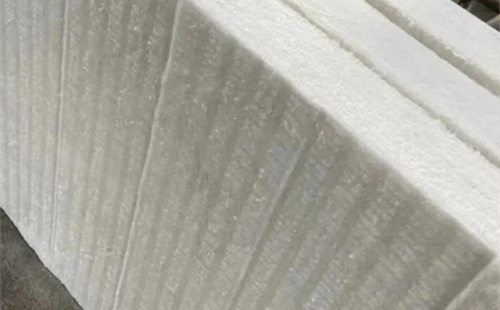
- EPE pearl cotton & EVA foamPhysical features: Porous compressible internal structure, soft cushion texture; heat-sensitive, easy to melt and harden under high temperature thermal cutting; thick foam prone to indentation under strong extrusion force.Cutting matching: Adjustable low vibration pressure avoids foam compression collapse; cold vibration cutting keeps pores intact with smooth edges, no burnt hard layers on finished cushion inserts.
- Corrugated & honeycomb paperboardPhysical features: Hollow interlayer structure, uneven thickness; easy to crush and deform under heavy die pressure; surface printed ink fades when exposed to high heat.Cutting matching: Controllable shallow cutting depth prevents crushing inner corrugated cores; physical blade separation keeps paper surface ink complete without discoloration, neat crease and cutting lines for carton samples.
- Grey board, coated art paper & color cardPhysical features: Dense solid paper texture with thin printed coating on surface; coating layer melts and turns yellow under thermal cutting; thin paper shifts easily without fixed adsorption.Cutting matching: Micro vacuum table fixes thin paper firmly to avoid sliding; cold cutting protects printed coating from fading, clean cut edges without paper fiber fraying.
- Multi-layer composite foam-paper packaging blanksPhysical features: Foam bonded with paper liner, inconsistent hardness between foam and paper layers; easy delamination under unstable cutting pressure.Cutting matching: Balanced vibration force locks composite layers tightly during cutting, no separation or dislocation between foam cushion and paper backing.
In summary, compact mini CNC vibrating knife cutters solve multiple core drawbacks of traditional foam and paper cutting from space utilization, mold cost, sample efficiency, material protection and safety dimensions. For printing studios, packaging design rooms and small processing factories focusing on prototype sampling and low-volume orders, this all-in-one compact cutting equipment is an essential cost-effective production upgrade solution.