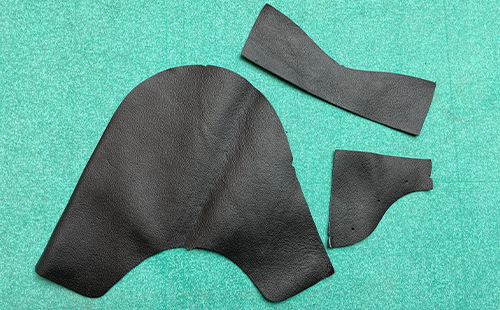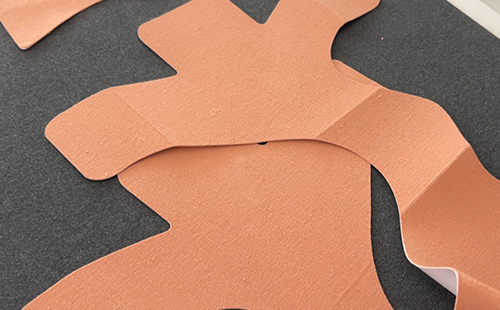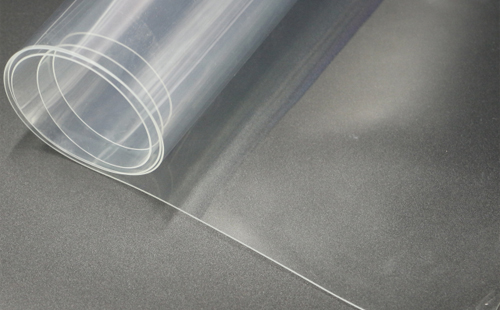
TPU (Thermoplastic Polyurethane) film combines the flexible elasticity of rubber and the durable machinability of plastic. With unique properties of waterproof breathability, fold resistance, abrasion resistance and recyclability, high-purity TPU film reaches medical and optical-grade certification standards. It is extensively applied in high-precision fields including electronic screen protective films, medical adhesive dressings, waterproof and breathable fabrics, shoe functional composite materials and automotive interior soft films.
Despite its superior material performance, TPU film poses great processing challenges. With a low thermal melting point and ultra-high elongation (300%-800%), it is extremely sensitive to external tension and high temperature. Improper cutting processes will cause film stretching rebound, dimensional inconsistency, thermal melting and edge hardening, resulting in lamination degumming, waterproof failure and unqualified finished products. Conventional processing methods have long restricted the quality upgrade and efficiency improvement of high-end TPU products. The optimized digital flatbed vibration knife cold cutting machine provides a professional and efficient intelligent cutting solution tailored for TPU film’s physical characteristics, helping manufacturers achieve quality improvement and cost reduction.
Defects of Traditional TPU Film Cutting Processes
At present, most TPU film processing factories still adopt manual cutting, laser thermal cutting and die stamping. These traditional processes have inherent defects for heat-sensitive and high-elastic TPU materials, unable to adapt to high-precision and customized production demands:
1. Manual Cutting: Low Efficiency, Poor Precision and Severe Material Waste
Manual blanking relies on manual positioning and tool cutting, requiring multiple workers to complete film spreading, alignment and cutting. The labor-intensive operation leads to high labor costs and low production throughput, and the shortage of skilled workers further limits factory output capacity. During manual processing, uneven pulling force inevitably causes elastic stretching of TPU film. After material rebound, the cut pieces have irregular sizes and poor batch consistency, resulting in inaccurate lamination positioning and high rework rates.
In addition, manual cutting produces burrs and warped edges, failing to process complex special-shaped structures such as arcs and hollow holes. Empirical manual nesting cannot fully utilize raw materials, causing serious waste of high-cost medical and optical-grade TPU films, which greatly reduces corporate profit margins.
2. Laser Cutting: Thermal Damage, Edge Yellowing and Environmental Hidden Dangers
Laser cutting is a typical thermal processing technology, which is not suitable for low-melting-point TPU film. Instant high temperature will melt, coke and harden the cutting edge, causing edge yellowing, adhesion and shrinkage. This irreversible thermal damage completely destroys the original waterproof, breathable and elastic properties of TPU film, leading to product failure such as fabric water leakage and composite degumming.
Meanwhile, laser cutting will produce irritating plastic flue gas, requiring supporting waste gas treatment equipment to meet environmental protection standards, increasing additional production costs. For thick TPU films, laser processing is prone to backside slag adhesion and section carbonization, with low yield rate and poor processing stability, completely unable to meet the production requirements of high-end medical and optical products.
3. Die Stamping: Extrusion Deformation, High Mold Cost and Low Flexibility
Die stamping processing relies on high-pressure punching for blanking. The strong instantaneous pressure will squeeze and deform the elastic TPU film, resulting in dimensional deviation after rebound and permanent indentations on the film surface. Multi-layer stamping is easy to cause interlayer dislocation, seriously affecting the assembly accuracy and appearance quality of finished products.
This process requires customized precision molds for each special-shaped specification, with high mold opening costs and long production cycles. It is only suitable for single-specification mass production, and cannot adapt to multi-style, small-batch and fast-delivery customized orders. The ultra-wide TPU film required for outdoor fabrics and large protective films cannot be matched with stamping molds at all, with extremely limited application scope.
Core Advantages of Vibration Knife Cold Cutting Machine for TPU Film
Based on 16 years of in-depth research and development in flexible material processing equipment, our CNC vibration knife cutting machine is specially optimized for TPU film’s high elasticity and thermal sensitivity. Through professional upgrades of vacuum adsorption system, high-frequency vibration cutter head and intelligent nesting algorithm, it completely solves various processing pain points of traditional equipment and realizes high-quality and high-efficiency TPU film production.
1. Normal-Temperature Physical Cold Cutting, Zero Thermal Damage
Different from laser thermal processing, the equipment adopts high-frequency blade vibration physical cutting, with the whole process completed at normal temperature. There is no high-temperature burning, melting or carbonization. The cut TPU film has smooth and flat edges without yellowing, burrs or adhesion, completely retaining the original elasticity, light transmittance and waterproof breathable performance of the material. The finished products fully meet medical, optical, automotive and textile industry standards, requiring no secondary trimming and directly supporting subsequent composite lamination processing. The whole cutting process produces no harmful gas, green and environmentally friendly, with no additional environmental protection equipment investment required.
2. Vacuum Adsorption Positioning, Zero-Stretch Precise Cutting
Equipped with an industrial-grade partition vacuum adsorption platform, the equipment can adjust adsorption force intelligently according to TPU film thickness and toughness. It fixes the flexible film tightly and evenly, effectively avoiding sliding, wrinkling and tensile deformation during high-speed cutting. Matched with a high-precision servo control system, the cutting accuracy is stably controlled within ±0.1mm, ensuring consistent dimensional accuracy of batch products and greatly reducing rework and scrap rates.
3. Mold-Free CNC Intelligent Cutting, Flexible for All Orders
The machine is compatible with mainstream design file formats such as DXF, AI, CAD and PLT. It supports one-click import of drawings to generate cutting paths, realizing one-time forming of rectangles, circles, rounded corners, hollow holes and various complex special-shaped contours. No mold opening is required, which greatly saves mold cost and shortens sample development cycle.
New product samples can be completed within the same day, and production styles can be switched by modifying electronic drawings in real time. It perfectly adapts to the market demand of multi-variety, small-batch and customized orders, helping manufacturers seize high-value customized business opportunities.
4. Automatic Coil Feeding + Multi-Layer Cutting, Greatly Improving Productivity
Equipped with a full-automatic unwinding, deviation correction and continuous feeding system, the equipment supports direct processing of full-volume TPU films, eliminating manual film laying and alignment procedures and saving a lot of labor costs. Thin TPU films support multi-layer stacked synchronous cutting, with one-time processing to complete multiple finished pieces.
A single device can replace 4-6 skilled cutting workers, with stable and efficient production capacity. It solves the problems of labor shortage and unstable manual output, enabling manufacturers to recover equipment investment in a short cycle and realize automated and intelligent production.
5. AI Intelligent Nesting, Significantly Reducing Material Loss
Built-in professional AI intelligent nesting software independently optimizes the arrangement path of cut pieces, supports common-edge cutting and dense nesting, and maximizes the utilization rate of raw material plates. Compared with manual layout, the material utilization rate is increased by more than 10%. For high-cost high-grade TPU films, the long-term material-saving advantage can create considerable profit growth for enterprises and effectively control production costs.
Professional Manufacturer Strength & Full-Cycle After-Sales Service
As a professional flexible material cutting equipment manufacturer with 16 years of technical precipitation, we focus on the R&D and customization of targeted cutting equipment for TPU film and other high-end flexible materials, providing one-stop solutions from sample testing to formal mass production:
Free Sample Testing: Support free TPU film cutting sample service, provide real cutting effect videos and finished samples, allowing customers to verify product quality before cooperation with zero investment risk.
On-Site Installation & Professional Training: After equipment delivery, professional technicians provide door-to-door installation, commissioning and one-on-one operational training. New employees can independently operate equipment, adjust parameters and complete nesting cutting within 3 days.
Lifelong Free Software Upgrade & Technical Support: Provide lifelong free equipment system upgrades and remote technical debugging services. For new TPU material specifications and new process requirements, professional technical teams customize optimal cutting schemes to ensure long-term stable operation of equipment.
Efficient After-Sales Response: Covered national after-sales service network realizes rapid remote troubleshooting of common faults and on-site maintenance of hardware faults, ensuring uninterrupted factory production.
Conclusion
High-precision and zero-damage cutting is the core guarantee for high-end TPU film product quality. Traditional manual, laser and die stamping processes have obvious defects in precision, material protection, production cost and order flexibility, which can no longer meet the current high-end customized production standards of TPU film industry.
The CNC vibration knife cold cutting machine relies on normal-temperature zero-thermal-damage cutting, vacuum anti-stretching positioning, mold-free flexible processing and intelligent material-saving advantages to solve all TPU film cutting pain points in one stop. It is the most ideal automated cutting equipment for medical, optical, automotive and textile TPU film processing enterprises.
If you are faced with TPU film processing problems such as stretching deformation, edge yellowing, low efficiency and serious material waste, please feel free to contact us. We will provide free sample testing, exclusive customized cutting solutions and accurate equipment quotations for you.