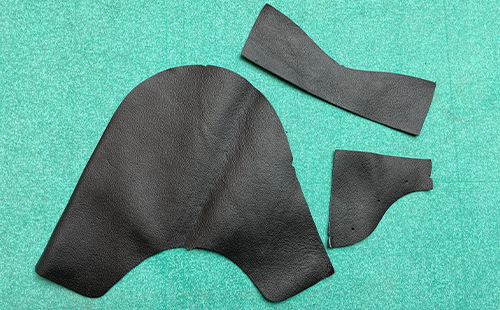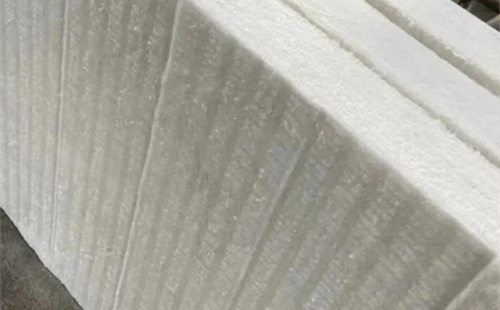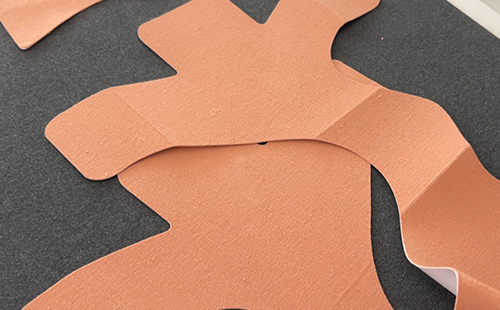
Self-adhesive labels, decorative stickers and packaging adhesive films are essential products for retail branding, cosmetic packaging, logistics marking and customized gift industries. Most label printing plants still rely on three mainstream traditional cutting methods: manual cutting, fixed rotary die cutting and laser thermal cutting. These outdated processing modes bring consistent troubles including expensive mold costs, unstable half-cut depth, material thermal damage and low production efficiency. This article sorts out core industry pain points of traditional adhesive label cutting, carries out detailed comparison with CNC vibrating knife cold cutting equipment, lists all mainstream adhesive label materials, and elaborates each material’s physical characteristics and matched cutting logic.
Core Industry Pain Points of Traditional Adhesive Label Cutting Processes
Manual cutting with utility knives and rulers is widely adopted by small label workshops. Workers manually trace patterns on adhesive sheets, and cutting quality fully depends on operator experience. Flexible adhesive surfaces are easy to stretch and shift during manual slicing, resulting in jagged edges, incomplete half-cut and torn backing liner. Complex irregular label shapes require repeated trimming, which greatly extends sample and batch production cycles. Recruiting skilled cutting staff brings long-term fixed labor cost pressure, and frequent human errors lead to high defective rates of finished stickers.
Rotary die cutting is suitable for mass production of single fixed label styles, yet it cannot adapt to current personalized small-batch customization market demand. Every new label design needs customized metal die rollers, with long mold opening cycle and high manufacturing cost. Once customers adjust patterns or sizes, original molds become completely scrapped, causing double waste of capital and adhesive raw materials. Mechanical stamping pressure easily squeezes thin adhesive films to produce indentation and liner penetration, and the depth of kiss cut is hard to control uniformly across the whole sheet, resulting in mixed uncut or over-cut defective products.
Laser thermal cutting uses high-temperature light beams to melt adhesive layers. Heat will carbonize PVC and vinyl sticker edges, forming yellow and black scorch marks that damage the printed surface texture and reduce label grade. Melting glue releases irritating toxic smoke, bringing environmental inspection risks and harming operators’ respiratory health. Thermal deformation leads to inconsistent cutting dimensions, and ultra-fine hollow decorative patterns cannot be formed accurately, failing to meet high-end custom sticker requirements.
All traditional cutting modes cause severe raw material loss. Random manual layout and fixed mold layout cannot maximize adhesive sheet utilization rate, and leftover scrap materials cannot be reused. Frequent mold replacement, repeated manual proofing and secondary trimming delay order delivery speed, making factories lose high-value small-batch custom orders easily.
Traditional Cutting VS CNC Vibrating Knife Cutting: Exclusive Advantages for Adhesive Label Processing
Different from manual extrusion cutting, rotary die stamping and laser thermal melting, CNC vibrating knife cutting machine adopts pure physical cold high-frequency vibration cutting technology, equipped with high-precision CCD automatic edge patrol positioning system and adjustable pressure half-cut tool head. It fundamentally solves all core pain points of label processing and forms multiple exclusive competitive advantages for sticker production.
First, millimeter-level ultra-high precision, stable and consistent half-cut effect. The built-in vacuum adsorption workbench tightly fixes thin adhesive sheets to avoid stretching and displacement during cutting; cutting error is controlled within ±0.08mm. Independent pressure control system precisely adjusts blade penetration depth, realizing standard kiss cutting that only cuts through the sticker surface without damaging the backing liner. No burrs, glue overflow or liner tearing appear on cross-sections, finished labels can be directly peeled and applied without secondary trimming, perfectly matching the precision requirements of retail and industrial packaging labels.
Second, zero mold investment, flexible automatic mass production. No metal die rollers or fixed cutting molds are required for any new label pattern. Users only need to import DXF, AI, PDF design files into the control system, and the machine can start automatic feeding and cutting within one minute. One vibrating knife cutter can replace 3 to 6 manual cutting workers, and processing efficiency is increased by over 88% compared with die and laser cutting. The visualized operation panel supports one-click parameter adjustment, and new operators can master full cutting, half-cut and indentation operations within half an hour without professional design background.
Third, lower comprehensive production cost and higher adhesive material utilization. Intelligent automatic nesting software optimizes adhesive sheet layout paths, improving material utilization by more than 16% compared with manual and die cutting, effectively reducing raw material waste. Cold cutting eliminates defective products caused by thermal scorching and extrusion penetration, significantly cutting scrap loss rate. The whole cutting process generates no toxic smoke or peculiar smell, fully meeting global environmental protection production standards without extra waste gas treatment equipment investment.
Fourth, multi interchangeable tool heads and wide adhesive material compatibility. Single machine is equipped with vibrating straight knife, precision half-cut drag knife, perforating tool and V-cut creasing knife. Operators can switch tool heads according to material thickness, hardness and processing requirements, completing full cutting, uniform kiss cutting, dot perforation and packaging indentation in one single pass, covering almost all paper and plastic adhesive materials used in label and sticker manufacturing.
Complete List of Applicable Adhesive Materials for Vibrating Knife Cutters
Paper adhesive label materials: coated art paper, matte coated paper, thermal paper, kraft sticker paper, glassine backing liner, white cardboard adhesive sheet, fragile anti-counterfeit label paper.
Plastic adhesive film materials: PVC vinyl sticker, matte silver PET, transparent PET film, PE soft adhesive film, electrostatic film, waterproof PU film, crystal drop sticker material.
Composite packaging adhesive materials: foam adhesive sheet, rubber gasket adhesive, double-sided adhesive tape, honeycomb board sticker, light box adhesive fabric, soft KT adhesive panel.
Physical Characteristics of Main Adhesive Materials & Matching Cutting Logic
Coated art paper adhesive: Smooth coated surface, thin paper base, easy to tear and produce paper burrs under manual pulling. High-frequency vibration knife realizes clean half-cut without fiber tearing, vacuum fixing prevents paper curling.
Glassine backing liner: Dense, translucent thin paper, low tensile strength, easy to penetrate under excessive die pressure. Adjustable low vibration pressure cuts only surface sticker layer, completely protecting the integrity of glassine liner.
PVC vinyl sticker: Soft plastic substrate, heat-sensitive, laser high temperature melts glue and carbonizes edges. Zero thermal cold cutting retains original printing color without yellowing or scorch marks.
Matte silver PET adhesive: High temperature resistant, oil-proof and wear-resistant, thin and rigid film structure. Stable vibration cutting pressure avoids film cracking, maintains metallic matte texture intact.
Thermal label paper: Ultra-thin heat-sensitive coating, high temperature will damage temperature sensing layer. Cold cutting will not destroy the printing and sensing function of thermal paper.
Double-sided foam adhesive: Elastic foamed substrate, easy to stretch and rebound under extrusion cutting. Vacuum adsorption locks foam firmly, flat cutting edges without glue overflow and deformation.
Conclusion
Manual cutting, rotary die stamping and laser thermal cutting cannot balance cutting precision, customization flexibility, production cost and environmental protection in modern personalized adhesive label manufacturing. CNC vibrating knife cold cutting equipment relies on CCD visual positioning and digital high-frequency vibration cutting technology to thoroughly eliminate industry pain points such as expensive molds, unstable half-cut depth, thermal damage and serious material waste. It supports integrated processing of dozens of mainstream paper and plastic adhesive materials, with simple one-click operation, stable finished product quality and ultra-fast pattern switching capacity, becoming the preferred cutting equipment for label printing factories, cosmetic packaging manufacturers, retail brand sticker suppliers and logistics marking processing plants. If you need cutting equipment matched with your label material types, sticker sizes and daily output, send your production demands to us for one-to-one professional selection consultation and customized processing solution recommendation.