Manufacturers supplying acoustic panels for recording studios, auditoriums, home theaters and architectural decoration constantly face production obstacles when handling customized sound insulation orders. Modern acoustic projects demand diverse irregular panel shapes and strict edge flatness, as uneven cutting seams directly break sound absorption performance. Traditional cutting technologies feature slow processing speed, rough cut surfaces and heavy secondary finishing workloads, leading to long order lead times and weak market responsiveness. These widespread industry pain points limit factories’ ability to take bulk customized acoustic projects and shrink overall profit margins.
Three mainstream traditional acoustic panel cutting methods are widely used in acoustic material workshops, all with obvious inherent flaws unsuitable for flexible custom production. Manual cutting relies on rulers and handheld blades; workers manually trace outlines with unstable force, creating jagged edges and large splicing gaps after assembly. Irregular curved acoustic plates take extremely long cutting hours, and random manual layout wastes high-cost acoustic raw materials. Workers need regular rest so continuous mass processing cannot be realized. Fixed steel die cutting requires dedicated molds for every panel contour, bringing high mold fees and long development cycles. Rigid stamping extrusion collapses internal sound-absorbing pores, permanently weakening noise reduction effect; one mold only matches a single fixed shape, unable to rapidly adjust for new customized styles. Laser cutting adopts high-temperature thermal melting, which carbonizes fiber edges and causes fiber shrinkage, resulting in obvious assembly gaps; cutting releases toxic smoke and fiber dust that fail environmental standards, and thermal damage destroys the original porous structure of acoustic materials.
Vibration knife cutting equipment with high-frequency cold cutting technology thoroughly solves all efficiency and quality bottlenecks of custom acoustic panel processing. Physical vibration separation generates zero heat, keeping cut surfaces smooth and seamless during assembly to fully retain original sound absorption performance. The machine’s cutting speed is several times faster than traditional equipment, drastically shortening production cycles and speeding up customer order delivery. It freely processes regular rectangles and complex irregular curved acoustic panels without repeated mold making. Simple one-click digital file import lowers staff training costs, and the machine supports stable long-term continuous operation to handle large batch customized orders effortlessly. Built-in intelligent nesting software optimizes raw material layout to reduce leftover scraps and cut long-term procurement expenditure.
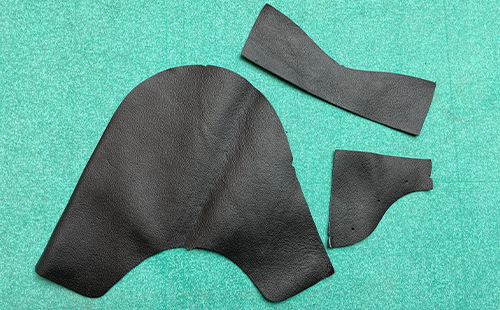
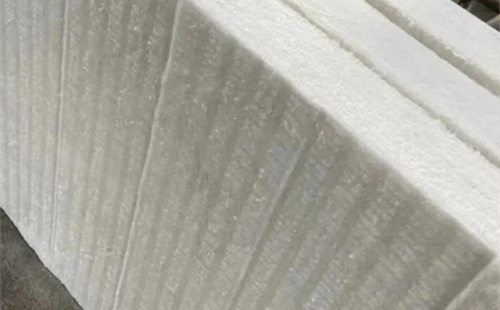
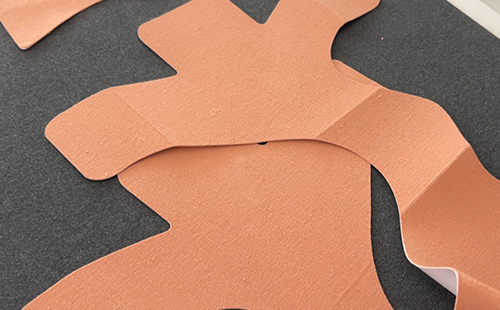
This multi-functional CNC vibration knife cutting machine covers all mainstream acoustic raw materials widely applied in decoration, audio and construction industries. Applicable materials include polyester fiber acoustic board melamine sound absorption foam glass fiber acoustic mat rubber sound insulation felt composite aluminum foil acoustic plate wave-shaped decorative acoustic cotton thick multi-density noise reduction foam thin studio lining acoustic material flame retardant acoustic panel embossed decorative sound board soft elastic sound absorption sponge. Each material owns unique porous internal structure and heat sensitivity that directly affect cutting smoothness and finished acoustic effect, and the machine automatically adjusts cutting speed vibration frequency and vacuum adsorption pressure to fit different material thickness and softness.
Polyester fiber acoustic board has interconnected sound-absorbing pores; laser heat carbonizes fiber layers to form splicing gaps, manual uneven force creates messy burrs. Melamine sound absorption foam is ultra-light and porous, static mold pressure collapses internal buffer pores and reduces noise reduction capacity. Glass fiber acoustic mat contains loose inorganic fibers, forced tearing makes fiber fly and leaves rough uneven edges. Rubber sound insulation felt features dense elastic texture, high-temperature melting hardens surface and weakens sealing effect between panels. Composite aluminum foil acoustic plate carries reflective barrier film, thermal processing peels off aluminum layer and loses heat insulation performance. Wave-shaped decorative acoustic cotton has curved surface structure, extrusion cutting deforms wave lines and ruins decorative appearance. Thick multi-density noise reduction foam has layered porous structure, unadjusted blade vibration leads to incomplete cutting. Thin studio lining acoustic material is lightweight slippery, manual material shifting causes inconsistent panel sizes. Flame retardant acoustic panel adds fire resistant additives inside fibers, high heat destroys flame retardant composition and lowers safety standard. Embossed decorative sound board has concave-convex grain, thermal melting flattens decorative texture. Soft elastic sound absorption sponge easily deforms under static pressure, traditional cutting produces uneven seams after assembly.
Different from traditional cutting’s slow speed rough edges thermal damage and high mold cost drawbacks, vibration knife cold cutting separates acoustic materials through tiny vertical blade vibration without pore collapse or fiber carbonization. Smooth seamless cut surfaces guarantee complete sound absorption after installation, and ultra-fast processing greatly improves factory market response speed for custom acoustic orders. Intelligent compact nesting minimizes acoustic raw material waste and reduces production costs. One single machine adapts all types of acoustic panels without repeated mold development fees for various decorative styles. Acoustic material manufacturers can finish sample trial cutting and large-batch continuous production on one workstation, shorten order delivery cycles lower secondary finishing labor and stabilize finished sound insulation performance simultaneously.