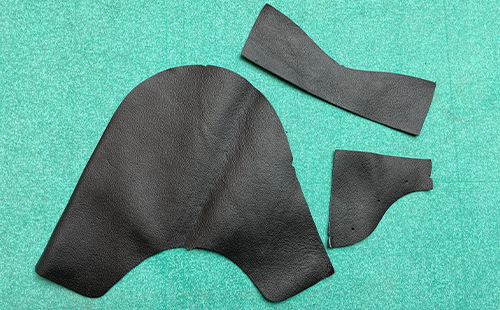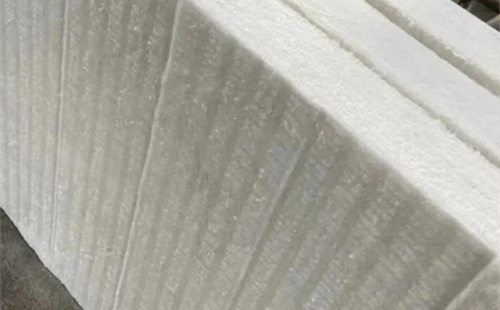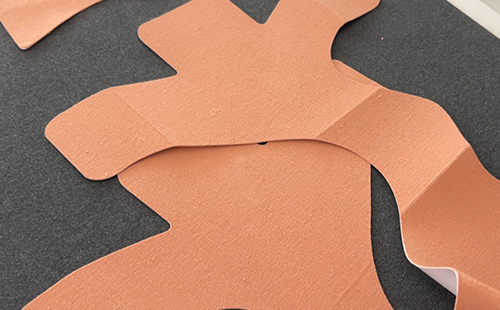
Factories engaged in leather shoe, handbag, leather accessory and upholstery production are constantly troubled by quality defects and environmental hazards brought by outdated leather cutting processes. Natural and synthetic leather products require delicate surface protection and precise contour processing, while conventional cutting methods easily damage leather grain, produce burnt edges, create irregular outlines and release harmful fumes. These universal industry pain points reduce finished product grade, raise leather scrap rates, fail environmental inspection standards and weaken factory market competitiveness in the leather goods industry.
Three mainstream traditional leather cutting technologies are widely adopted in leather workshops, all with obvious inherent flaws. Manual cutting relies fully on workers’ hand marking and handheld cutting tools, with unstable dimensional accuracy and extremely low processing efficiency. Uneven pulling force stretches leather surface to form jagged rough edges, and manual punching leads to hole deformation, unable to meet the fine processing requirements of high-end leather bags and dress shoes. Fixed steel die cutting needs customized molds for every leather pattern, bringing extra mold manufacturing cost and long preparation cycles; rigid extrusion force squeezes leather texture to cause permanent indentations, and one mold only matches a single fixed shape, not suitable for flexible small-batch custom orders. Laser cutting uses high-temperature thermal melting to separate leather, which scorches leather edges to turn yellow and brittle, melts surface oil coating and artificial grain layer, and generates thick toxic smoke with pungent odor that fails workshop environmental protection standards; high heat also makes thin leather shrink and deform, destroying the complete natural texture of finished leather products.
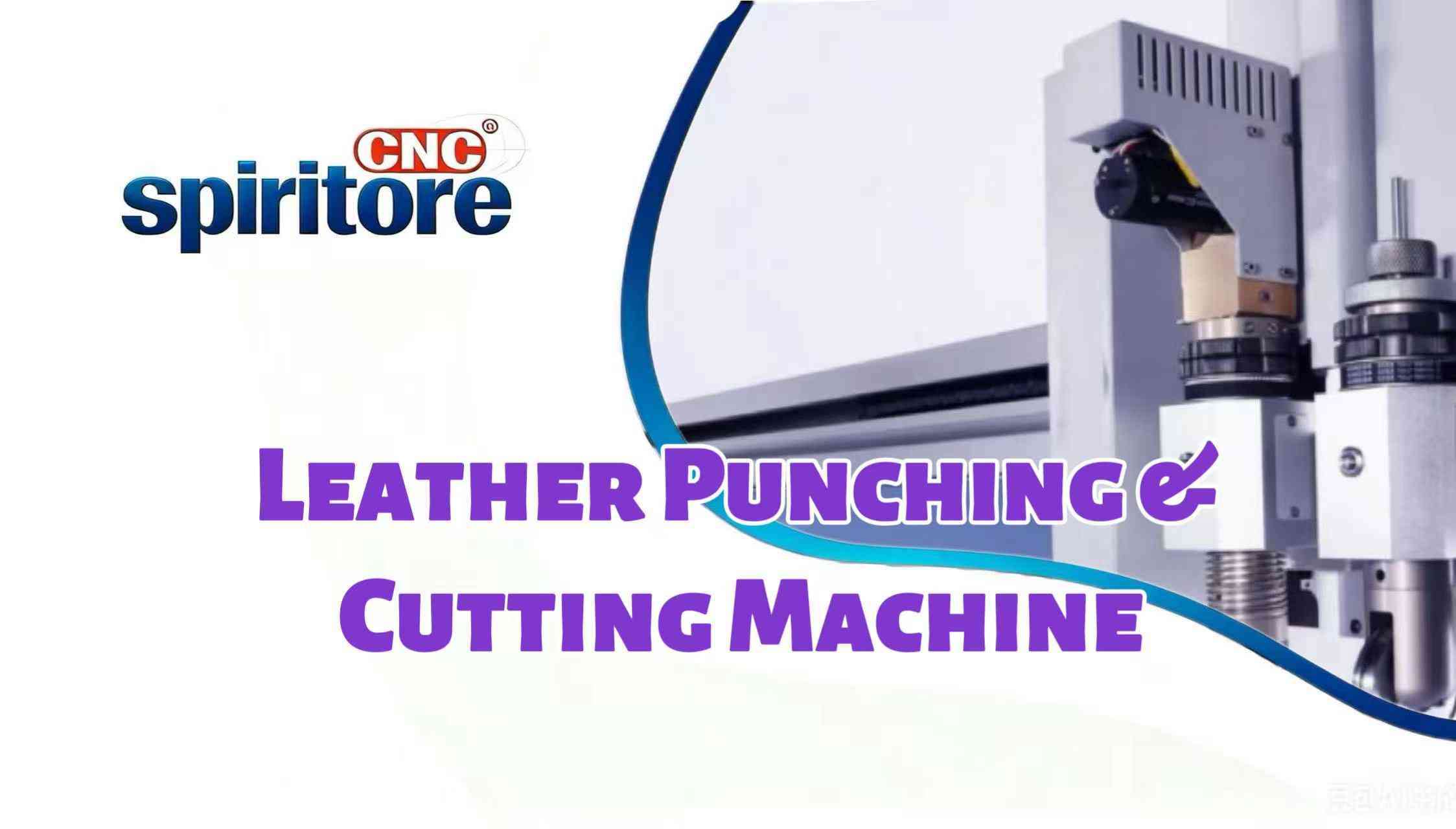
Vibration knife cutting equipment adopts high-frequency cold vibration cutting technology, completely solving all processing defects of traditional leather cutting methods. Equipped with interchangeable cutting and punching tool heads, the machine precisely follows preset digital patterns and dimensional parameters to finish integrated cutting and punching work, fully satisfying diverse delicate leather processing demands. The whole physical cold cutting process generates zero high temperature, smoke and peculiar smell, avoiding surface grain damage, leather shrinkage and edge scorching, fully complying with global environmental production regulations. The equipment features high intelligent degree and simple operation; staff only need to import design files to start automatic running, without repeated manual positioning and calibration. Its cutting speed and dimensional precision far exceed manual and die cutting equipment, widely applicable to mass production and customized processing of shoes, handbags, leather gloves, leather sofas and various leather crafts.
This multi-functional vibration knife cutting machine supports all mainstream natural and synthetic leather raw materials used in leather goods manufacturing. Applicable raw materials include top grain cowhide, split cow leather, soft sheepskin, goatskin, suede nubuck leather, PU synthetic leather, PVC faux leather, microfiber leather, embossed patterned leather, oil-wax leather, composite laminated leather, thin lining leather and thick furniture upholstery leather. Each leather material owns unique fiber structure and surface coating properties that directly affect cutting quality, and the machine automatically adjusts cutting speed, vibration frequency and down pressure to match different leather thickness, softness and surface texture.
Top grain cowhide has complete natural grain and compact fiber structure; die extrusion leaves permanent indentations on grain surface, laser heat burns natural texture and loses premium appearance. Split cow leather lacks complete surface grain, uneven manual cutting force causes fiber separation and messy burrs. Soft sheepskin is thin and highly flexible, strong pressure from mold stamping stretches leather to produce dimensional deviation. Goatskin features fine pebbled grain, rough cutting scratches the delicate grain surface and reduces product grade. Suede nubuck leather has fluffed matte surface, high-temperature laser cutting makes fluff harden and turn yellow. PU synthetic leather carries thin polymer coating, thermal processing melts coating layer to cause peeling. PVC faux leather has rigid plastic layer, extrusion cutting leads to surface crack and color fading. Microfiber leather mixes fiber and resin, improper cutting pressure creates uneven cross-section. Embossed patterned leather has concave-convex decorative grain, thermal melting destroys embossed pattern details. Oil-wax leather contains surface wax protective layer, high temperature removes wax coating and loses waterproof soft touch. Composite laminated leather is bonded by leather and backing fabric, traditional cutting triggers interlayer separation. Thin lining leather is ultra-thin and slippery, manual cutting shifts material constantly to form inconsistent outlines. Thick furniture upholstery leather has dense thick fibers, incomplete cutting easily occurs without adjusted blade vibration parameters.
Different from the thermal damage, high mold cost and poor precision of traditional leather cutting modes, vibration knife cold cutting separates leather fibers through tiny vertical high-frequency vibration without heat or strong extrusion harm to leather grain and surface coating. Integrated cutting and punching tool heads realize one-step forming without secondary manual trimming, greatly cutting labor workload. Intelligent digital operation eliminates human error in positioning, ensuring uniform finished leather size for each batch. One single machine adapts all the above natural and synthetic leather materials, removing repeated mold development and storage costs for various leather goods styles. Leather manufacturers can finish sample trial cutting and mass production on one workstation, lower leather waste rate, pass environmental inspection easily and improve overall leather product quality and production efficiency simultaneously.