Most shoe manufacturers are trapped in outdated cutting workflows dominated by manual trimming and hydraulic die cutting. Rising labor fees, unstable production speed and frequent delays on bulk orders become universal troubles across the footwear industry. This article makes a full comparison between conventional shoe material cutting modes and automatic double-head vibrating knife cutting machines equipped with feeding and rewinding tables, covering core industry pain points, exclusive cutting strengths, complete applicable material ranges and physical traits of common shoe raw materials.
Core Pain Points of Traditional Shoe Cutting Workflow
The first obvious problem is heavy labor reliance and soaring labor expenditure. Manual cutting requires multiple skilled workers to spread materials, mark patterns and cut pieces one by one. Factories have to bear continuous salary, social insurance and training costs, while experienced cutters are hard to recruit and easy to resign.
Second, production efficiency hits a bottleneck without automatic feeding and collecting. Operators need to stop frequently to lay new shoe materials and collect finished cuttings, which creates long idle intervals and wastes plenty of working time. Single cutting head further limits daily output, making it hard to deliver large orders on schedule.
Third, single cutting mode causes serious resource waste. Traditional die cutting demands customized steel molds for every new shoe style, costing extra manufacturing fees and waiting cycles. Manual layout only relies on workers’ experience, leading to massive leftover scraps of leather, fabric and foam.
Fourth, single-head operation cannot support simultaneous multi-process tasks. Punching, marking and contour cutting must be finished separately, adding extra production steps and extending the whole processing cycle. In addition, hand cutting and old hydraulic machines produce inconsistent cutting sizes, rough edges and high defective rates, bringing rework loss to factories.
Fifth, independent feeding and cutting procedures interfere with each other. In conventional workshops, material spreading, cutting and finished piece sorting are operated in separated areas, which takes up large factory space and causes messy material stacking, further slowing down overall production rhythm.
Core Advantages: Traditional Cutting VS Auto Double-head Vibrating Knife Cutter
- Integrated auto feeding & rewinding table, non-interfering continuous productionThis vibrating knife cutter comes with matched automatic material unwinding and collecting platform. Material laying, cutting and finished piece recycling run simultaneously without mutual interference. Operators do not need to pause the machine repeatedly to replace raw materials, realizing uninterrupted round-the-clock cutting and greatly boosting continuous production capacity.
- Dual asynchronous cutting heads realize multi-task synchronous processingTwo independent vibrating knife heads work asynchronously at the same time. One head can finish contour cutting while the other completes punching and line marking at one go. Multiple processing steps are integrated into a single procedure, removing redundant manual operation links and shortening total production time by more than half.
- Powerful multi-layer cold cutting raises batch output sharplyThe high-frequency vibration blade supports stacked multi-layer shoe material cutting under normal temperature without heating. Compared with single-layer manual cutting, the machine’s hourly output increases several times, enabling factories to finish large-volume orders within a much shorter delivery period.
- Dieless digital cutting eliminates mold investment and waiting timeNo custom steel cutting molds are required. Staff only import shoe pattern CAD files into the supporting cutting software, and the machine can switch new styles within one minute. Small-batch sample development and personalized custom orders no longer bring extra mold cost pressure for shoe factories.
- Intelligent automatic nesting reduces raw material wasteBuilt-in intelligent layout system optimizes the arrangement of cutting patterns on roll materials, tightly arranging all cut parts to minimize blank waste. Material utilization rate rises significantly compared with manual layout, continuously lowering long-term raw material expenditure for mass production.
- Labor reduction cuts long-term operating costsOne set of double-head vibrating knife cutting equipment with feeding table can replace 5 to 7 skilled cutting workers. Only one ordinary operator is needed to monitor feeding parameters, machine operation and finished material collection, effectively solving the problem of labor shortage and high labor cost.
- Stable cold cutting guarantees uniform cutting qualityPure physical vibration cutting avoids thermal deformation, burnt edges and discoloration of shoe materials. Cutting precision reaches ±0.1mm, all cut pieces own smooth burr-free edges with unified size, greatly reducing defective products and rework workload. The whole cutting process runs with low noise and no harmful smoke, meeting global environmental production standards.
Full List of Applicable Shoe Materials for Vibrating Knife Cutting Machine
The double-head vibrating knife cutter with auto feeding table fits nearly all flexible and semi-rigid raw materials used in shoemaking, covering uppers, midsoles, insoles, lining cloth and decorative auxiliary materials. The applicable material range includes genuine leather, regenerated leather, microfiber synthetic leather, PU artificial leather, PVC leather, fly-knit mesh fabric, breathable textile lining, canvas, EVA foaming sheet, rubber sole material, memory foam padding, hot melt adhesive film, multi-layer composite shoe materials, non-woven fabric and soft foam padding.
Physical Characteristics of Main Shoe Materials & Matching Cutting Performance
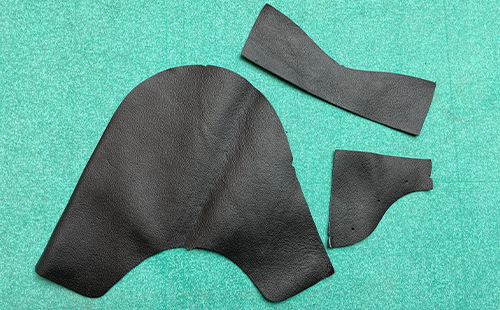
- Leather materials (genuine leather, microfiber, PU synthetic leather)Physical features: moderate hardness, elastic surface, thin thickness, prone to stretching and discoloration under high temperature or strong extrusion.Cutting matching: adjustable low-frequency vibration blade prevents leather surface stretching; cold cutting avoids melting and color fading, cutting edges stay neat without peeling or cracking.
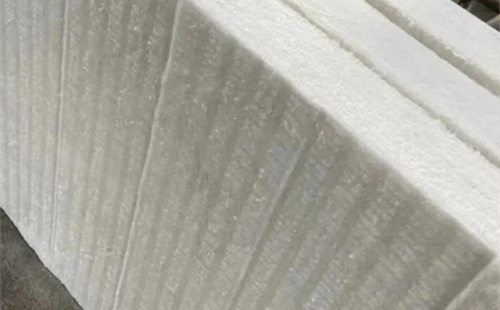
- Foam materials (EVA sheet, memory foam, rubber foam)Physical features: porous internal structure, soft and compressible, thick texture, easy to sink and deform under heavy extrusion force.Cutting matching: adjustable vibration strength balances compression pressure; multi-layer stacked cutting keeps uniform thickness for each cut foam piece, no concave or irregular section deformation.
- Textile fabrics (flyknit mesh, canvas, lining cloth)Physical features: woven fiber structure, thin and flexible, fiber ends are easy to melt and loose threads appear under thermal cutting.Cutting matching: physical vibration separates fabric fibers cleanly without heating fiber ends, cutting edges have no scattered threads and no extra edge sealing treatment is needed.
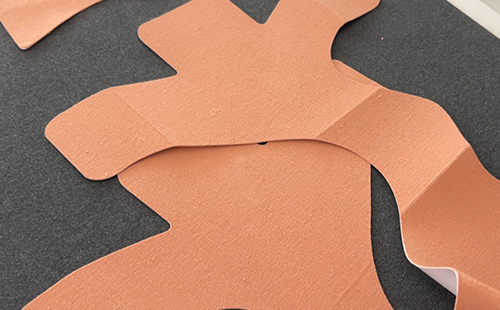
- Multi-layer composite shoe materialsPhysical features: composite layers of leather, foam and hot melt film, inconsistent hardness of different layers, easy layer separation and dislocation under uneven cutting force.Cutting matching: controllable cutting depth and vibration frequency lock all composite layers tightly during cutting, no delamination or offset between different material layers.
In summary, automatic double-head vibrating knife cutting machines with feeding and rewinding tables solve all core pain points of traditional shoe cutting from labor cost, continuous production efficiency, multi-process integration, raw material utilization and finished product quality. For shoe manufacturers pursuing stable profit growth and flexible intelligent production transformation, this digital cutting equipment is an essential production upgrade solution.