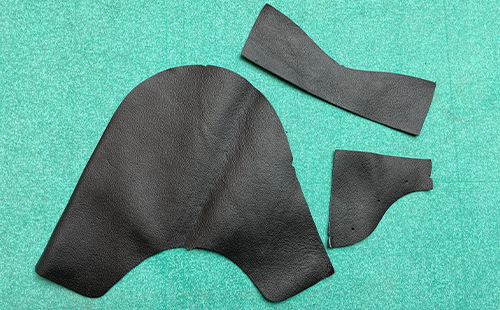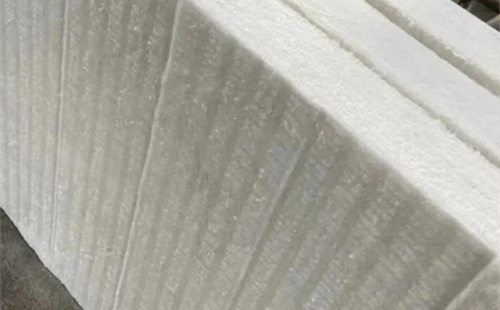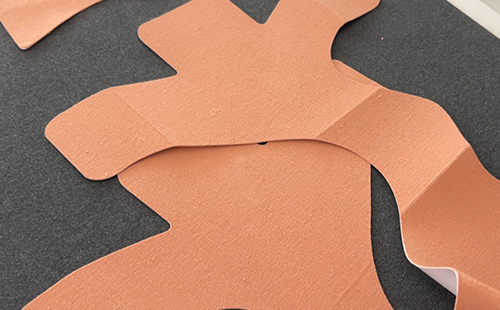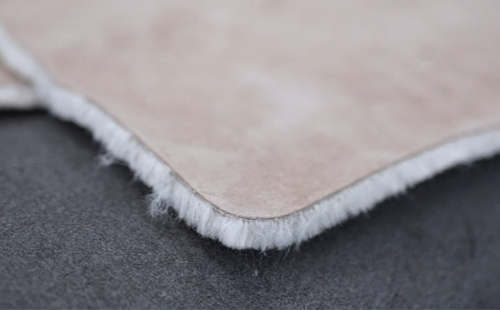
Fur garment and fur accessory manufacturers all recognize that genuine fur cutting is completely different from ordinary fabric and faux leather cutting. Natural fur such as mink, rabbit, fox and raccoon dog features irregular hair direction, fluffy fur layers and flexible, easily damaged leather boards. Improper cutting equipment will cause common defects including fur bursting, loose fiber shedding, blackened edges, leather deformation and excessive material waste, directly increasing production costs and downgrading finished product grades.
Most processors struggle with core questions: What is the best machine for fur cutting? Laser cutter vs oscillating knife cutter for fur? Which cutting process matches different fur materials? This guide analyzes fur material characteristics, explains mainstream cutting technologies, and delivers a complete selection standard to help factories accurately match equipment, reduce loss, and upgrade cutting precision and product texture.
All fur cutting difficulties stem from the unique non-uniform double-layer structure of natural fur. Unlike homogeneous textiles, natural fur varies greatly in hair length, density, leather thickness and hair direction. The core material constraints that determine cutting process selection are as follows:
1. Unregulated Hair Direction & Uneven Texture
Different parts of a single raw fur hide have totally different hair direction, length and density. The head area features short and dense fur, while the tail area has long and sparse fur. Random cutting leads to uneven fur height and incoherent splicing effects. High-end fur products require precise direction control and intelligent nesting, which demands professional cutting equipment with accurate path planning.
2. Fragile Double-Layer Structure Prone to Damage
Natural fur consists of a fluffy surface fur layer and a flexible bottom leather board. Traditional high-temperature extrusion and heavy-pressure cutting will either cut off fluffy fibers and cause fur bursting, or stretch and crack the leather board, seriously affecting product appearance and durability.
3. Heat-Sensitive Fibers, Vulnerable to Burning & Discoloration
Natural fur fibers are delicate and heat-intolerant. High-temperature cutting burns hair roots, blackens cutting edges, and causes fur hardening and fading. These irreversible processing traces completely fail the quality standards of high-end fur garments.
4. Defective Raw Hides Require High Nesting Accuracy
Natural raw fur commonly has scars, uneven thickness and local damage. Precise defect avoidance and reasonable nesting are essential to improve utilization. Traditional manual and die cutting cannot accurately identify flaws, resulting in severe raw material waste and compressed profit margins.
5. Diversified Fur Categories with Differentiated Processing Demands
Short dense fur (mink, otter rabbit), medium-long fur (ordinary rabbit), long fluffy fur (fox, raccoon dog) and fur-integrated fabrics differ greatly in thickness, fluffiness and toughness, making universal single-device processing infeasible.
4 Mainstream Fur Cutting Processes: Pros, Cons & Application Scenarios
The fur processing industry mainly adopts four cutting methods: manual cutting, die stamping, laser cutting, and intelligent oscillating knife cutting. Their processing accuracy, efficiency and applicable fur categories vary significantly.
1. Manual Cutting (Traditional Craft)
Senior workers cut from the leather board side with professional scissors and utility knives, trimming along the hair direction for precise short-distance cutting, a traditional craft for high-end customized fur products.
Advantages: No high temperature and no mechanical stretching, protecting fur fibers to the maximum with natural burr-free edges. Ideal for ultra-high-end customized fur and niche sample processing.
Disadvantages: Heavily reliant on worker experience with a steep learning curve; extremely low efficiency, unable to support mass production; large manual nesting errors cause high material loss and poor standardization.
Applicable Scenarios: High-end custom fur garments, small-batch samples and special-shaped niche accessories; not suitable for large-scale standardized production.
2. Die Stamping Cutting
Fixed custom dies are used for one-time stamping and cutting, a conventional mass-processing method for early fur production.
Advantages: Fast cutting speed for fixed patterns, high consistency for batch products, simple operation and low equipment cost.
Disadvantages: Poor flexibility, only applicable for fixed simple patterns, unable to process complex hollow and special-shaped styles; stamping pressure crushes fluffy fur, causing lodging and uneven edges; frequent die wear increases replacement costs; incapable of avoiding raw hide defects, leading to serious material waste.
Applicable Scenarios: Standardized fur auxiliary materials and small accessories with fixed styles and simple structures.
3. Laser Cutting
High-temperature laser beams melt and cut materials with flexible graphic editing capabilities for complex special-shaped patterns.
Advantages: No mold required, flexible pattern modification, capable of hollow and irregular cutting with high automation.
Disadvantages: Fatal high-temperature burning defect. Laser heat scorches hair roots, blackens edges, dries and sheds fur fibers, and hardens leather boards, completely ruining fur texture. Long fur is prone to hanging and burning, resulting in extremely high defective rates.
Applicable Scenarios: Only for low-end faux fur and ordinary fur auxiliary materials; strictly prohibited for high-end genuine fur processing.
4. Intelligent Oscillating Knife Cutting (Premium mainstream solution)
CNC oscillating vibration knife digital cutting machine adopts high-frequency blade vibration for full normal-temperature physical cutting. Equipped with intelligent nesting and visual positioning systems, it has become the optimal solution for refined and large-scale genuine fur processing.
Advantages: Normal-temperature cold cutting avoids burning, edge blackening and fiber shedding, fully retaining original fur fluffiness; cutting from the leather board side protects surface fur with smooth and neat edges; high-definition visual scanning automatically identifies raw hide contours, defects and hair directions for optimized defect-avoiding nesting, greatly improving material utilization; mold-free processing supports arbitrary special-shaped patterns and flexible switching between small and large batches; tension-free cutting prevents leather board deformation and cracking with far higher yield rate than other processes.
Disadvantages: Higher initial equipment investment than die cutters and ordinary laser machines, requiring professional parameter debugging and matched blades for fur materials.
Applicable Scenarios: All genuine fur types including mink, fox, rabbit, raccoon dog and fur-integrated fabrics, covering high-end garments, luggage accessories and home textile fur materials for both customization and mass production.
6 Core Selection Criteria for Fur Cutting Machines (Factory Must-Know)
The core selection principle for genuine fur is to prioritize normal-temperature physical cutting and avoid high-temperature burning and heavy-pressure extrusion equipment. Six key dimensions help factories select targeted machines:
1. Match Machine Model According to Fur Type
Short dense fur (mink, otter rabbit): Adopt high-frequency fine oscillating knife cutter with stable amplitude and sharp fine blades to cut dense short fur cleanly without fiber pulling and shedding, suitable for high-end mink coat and otter rabbit garment finishing.
Medium & long fluffy fur (fox, raccoon dog, long-haired rabbit): Choose extended-stroke oscillating knife equipment with anti-hanging tabletop to prevent long fur tangling and lodging, retaining complete fluffiness and avoiding fur bursting.
Thick fur-integrated materials: Select adjustable high-amplitude oscillating knife cutting machines to penetrate thick leather boards in one cut without jamming or extrusion deformation, balancing cutting efficiency and product texture.
Faux fur: Small laser cutters are cost-effective for low-end processing; oscillating knife machines are preferred for high-quality finished products.
2. Equip Visual Scanning & Intelligent Nesting System
Natural raw fur features irregular sizes, random defects and disordered hair directions, causing severe waste with manual nesting. Professional fur cutting machines must be equipped with high-definition visual scanning to identify hide outlines, flaw positions and hair trends automatically. The intelligent system plans optimal cutting paths to realize defect avoidance and hair-direction following cutting, significantly reducing material loss.
3. Adhere to Normal-Temperature Cold Cutting, Reject High-Temperature Equipment
This is the bottom line for high-end fur processing. Laser high-temperature burning causes irreversible fiber damage, fur fading, hardening and shedding, downgrading product quality. All premium genuine fur production must adopt oscillating knife normal-temperature cold cutting to retain original fur texture without thermal damage.
4. Optimized Tabletop & Adsorption System for Fur Traits
Fluffy fur is soft, slippery and easy to tangle. Ordinary tabletops cause material displacement and fur lodging. Professional fur cutting equipment adopts high-density felt tabletops and zoned vacuum adsorption systems to fix materials firmly without shifting, pressing or tangling fur, ensuring cutting accuracy and complete fluffiness.
5. Flexible Switch for Batch & Custom Orders
Most fur orders are multi-style and small-batch customized, which cannot be met by fixed die equipment. Flatbed digital cutting machine with CNC control supports one-click cutting by importing drawings. It processes standard pieces, special-shaped accessories and hollow patterns without molds or tool changes, compatible with mass production and niche customization.
6. Professional Configuration & Reliable After-Sales Service
Fur cutting requires high blade precision and equipment stability. Special fine-edge fur blades ensure smooth burr-free cutting. Prefer direct-manufacturer equipment with complete debugging, technical support and after-sales systems to adjust amplitude, speed and pressure parameters for different fur materials.
Common Fur Cutting Machine Selection Pitfalls
Pitfall 1: Laser cutters are suitable for all fur materials
Laser cutting is absolutely unapplicable for genuine fur. High-temperature burning destroys hair roots and leather boards, leading to ultra-high defective rates. It can only be used for low-end faux fur processing.
Pitfall 2: Die stamping machines offer higher cost performance
Die machines have low upfront equipment costs but incur high mold customization fees, material waste and defective losses. They cannot process special-shaped styles, resulting in far lower long-term cost performance than intelligent oscillating knife machines.
Pitfall 3: All oscillating knife machines can cut fur
Ordinary oscillating knife machines lack fur-specific optimization in blades, tabletops and parameters, easily causing fur hanging, fiber pulling and uneven cuts. Only professional fur-dedicated oscillating knife equipment guarantees qualified finished products.
Pitfall 4: Ignore hair direction and defect nesting
Equipment without visual scanning cannot identify hair directions and hide defects, resulting in messy fur color and exposed flaws, directly reducing product yield and market value.
Final Matching Solutions for Different Production Scenarios
1. Large-scale factories for high-end genuine fur (mink, fox fur, fur-integrated)
Priority choice: Fur-specific visual oscillating knife cutting machine. Normal-temperature zero-burning cutting, intelligent defect-avoid nesting, flawless edges and minimum material loss, fully meeting high-standard refined processing demands.
2. Small-batch high-end customization & sample processing
Matching solution: Combine manual fine cutting with small oscillating knife equipment to balance premium texture and production efficiency.
3. Low-end faux fur & fixed small-piece mass processing
Matching solution: Adopt die stamping machines or small laser equipment to control upfront equipment costs.
Conclusion
The core competitiveness of fur processing lies in low material loss, high texture and high precision. Selecting professional fur-specific cutting equipment completely solves common defects such as fur bursting, fiber shedding and burnt edges, while greatly improving material utilization and production efficiency. It is the key for fur processing factories to reduce costs, increase efficiency and upgrade product grades.