Core Pain Points of Traditional Rigid Wadding Cutting Processes
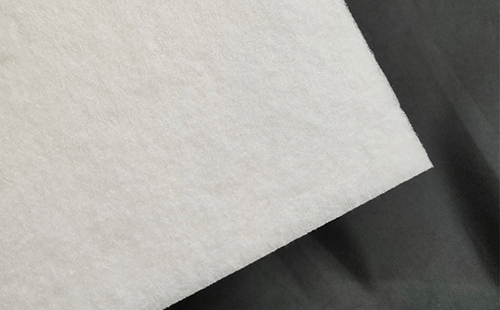
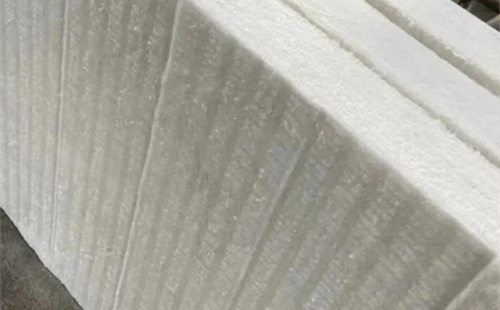
With high density, tight fiber weave and stiff texture, rigid polyester wadding demands strict control of cutting force, cutting path and uniform stress distribution. Conventional processing methods carry obvious weaknesses:
1. Manual Cutting: Low Efficiency, Heavy Fraying & Poor Consistency
Workers cut rigid wadding manually with templates and utility knives. High density means high cutting resistance. Manual cutting is labor-intensive and time-consuming with limited single-shift output and high labor expenses. Uneven force and unstable movement easily pull surface fibers, causing heavy fraying, filament pulling and fiber shedding, requiring massive secondary trimming work. Manual cutting also brings large dimensional errors. Complex geometries such as arcs and cutouts cannot be precisely machined. Batch cut pieces have inconsistent flatness, lowering yield for high-end interior and mattress orders. Random manual layout also creates serious raw material waste.
2. Laser Cutting: Thermal Melting Hardening Destroys Material Properties
Laser is thermal processing. Polyester fibers melt, shrink and carbonize quickly under high heat, forming hardened, yellowed and clotted edges, which permanently damage the original breathability, resilience and cushioning performance of rigid wadding. Thermally cut edges become stiff and cannot meet the touch and assembly requirements of mattresses and automotive interiors. Thermal burning also generates large volumes of chemical smoke and odor, raising environmental control costs and creating poor workshop conditions, unsuitable for standardized mass production.
3. Die Punching: Compression Delamination & Low Custom Flexibility
Die cutting relies on high-pressure stamping. Strong compression squeezes the fiber structure of rigid wadding, causing surface indentation, slight interlayer separation and rebound deformation after cutting, leading to reduced dimensional accuracy. Pulling during stamping tears fibers and leaves heavy loose lint and fiber shedding. Thick high-density rigid wadding may remain uncut through with uneven cross-sections. New shapes or updated products require custom dies with long lead times and high mold costs. Style changeover is cumbersome, making small-batch custom orders difficult to handle and limiting production flexibility.
Core Advantages of Oscillating Knife Cutting Machine for Rigid Polyester Wadding
Targeting the material characteristics of rigid wadding — high density, easy fraying and deformation under compression, our oscillating knife cutting machine optimizes blade vibration frequency, vertical shearing logic and vacuum holding system to achieve stable precision processing for polyester rigid wadding sheets and rolls of various thickness and density.
1. Normal-Temperature Cold Cutting, Zero Thermal Damage, Retain Original Material Performance
The machine uses high-frequency small-amplitude blade vibration for pure physical cutting at ambient temperature. No high-temperature burning, melting or carbonization occurs. No hardening, yellowing or clotting on edges. It fully retains the original stiffness, resilience, breathability and sound insulation performance of rigid wadding. Cut edges stay naturally soft without hard rims, fully meeting quality standards for home textiles and automotive interior finished parts. No harmful fumes during processing for better environmental compliance.
2. Vertical Flexible Shearing, No Fraying & Zero Fiber Loss, Clean Edges Without Trimming
Adopting vertical high-frequency shearing mode, the blade smoothly severs fibers with low resistance without violently tearing or pulling surface cotton filaments. It fundamentally eliminates common defects including fraying, filament pulling and fiber shedding. Cut edges stay tight and even with no loose filaments or debris. Secondary manual trimming and cleaning are no longer required, greatly reducing labor cost for post-processing and delivering uniform neat appearance for finished goods.
3. Vacuum Adsorption Positioning, Anti-Shift & Anti-Deformation, Stable Cutting Accuracy
Equipped with zone-adjustable vacuum adsorption table. Suction power adapts automatically according to cotton thickness and density to firmly hold sheets and rolls, preventing sliding, arching and tensile deformation during cutting. Industrial CNC system controls blade movement precisely with stable cutting accuracy within ±0.1mm. Batch cut pieces maintain uniform dimension and flatness, completely solving inconsistent size issues from manual cutting.
4. Mold-Free Special Shape Cutting, Handles Both Large & Small Orders Flexibly
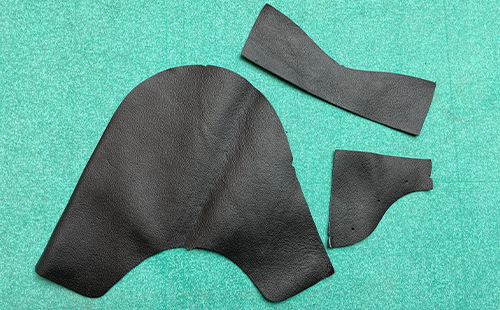
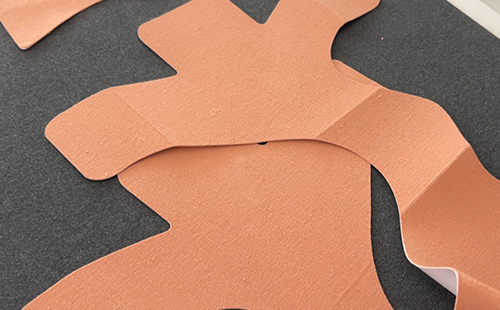
Supports mainstream drawing formats DXF, CAD and PLT. One-click file import generates cutting paths without mold making or tool changes. Straight strips, square pads, curved automotive sound insulation cotton, irregular cushion shapes, hollow liners and custom parts can all be formed in one pass. New sample development and design revision are fast. It perfectly matches multi-style, small-batch, fast iteration custom order models.
5. Intelligent Nesting & Common-Line Cutting, Reduce Raw Material Waste
Built-in professional intelligent nesting system automatically optimizes part layout, common-edge cutting and nesting paths to maximize usable area of sheets and rolls. Material utilization rises more than 10% compared with manual layout. Long-term mass production greatly cuts rigid wadding consumption and improves net profit margin of orders.
6. Automatic Roll Feeding + Multi-Layer Stack Cutting, Boost Output & Cut Labor
Supports full roll automatic unwinding, deviation correction and continuous feeding for uninterrupted automatic blanking, cutting auxiliary work for manual spreading, alignment and material handling. Thin rigid wadding can be stacked and cut in multiple layers, producing multiple finished pieces in one pass and multiplying throughput. One machine replaces multiple skilled cutters, easing labor shortage and production cost pressure and ensuring stable delivery during peak seasons.
Customized Advantages of Our Source Rigid Wadding Cutting Machine
Deeply engaged in non-woven cotton and interior buffer material cutting industry, we specially optimize equipment for the unique properties of high-density, fray-prone rigid wadding, different from ordinary universal cutters:
1. Optimized tool path for high-density cotton: Vibration frequency, travel speed and cutting force ratio tuned for different gram weights and thicknesses. Thick cotton fully cut in one pass, thin cotton without pulling, stably solving fraying, incomplete cutting and uneven cross-section;
2. Full thickness compatibility: Adjustable blade stroke system handles thin filter cotton, medium-thickness interior cotton and thick mattress thermo-set wadding. One machine covers all rigid wadding product lines;
3. Automated roll production solution: Customizable integrated unwinding, correction and feeding structure for wide roll continuous production, less manual intervention and higher whole-line automation and throughput;
4. Full-cycle after-sales support: Free material sample cutting to verify no-fray and zero fiber shedding results; on-site machine installation, commissioning and hands-on operator training, 7×12hr technical support, fast spare parts delivery and lifetime free software upgrades to guarantee stable long-term production.
Conclusion
The core challenges of rigid polyester wadding processing are eliminating edge fraying and fiber shedding, preventing compression deformation and ensuring even cross-sections and consistent dimensions. Traditional manual, laser and die cutting either create poor finished quality and high rework rate, damage material properties with poor environmental performance, or carry high custom mold cost. They cannot meet current high-quality, customized and mass production requirements of furniture and automotive interior sectors.
With the strengths of non-damaging cold cutting, no fraying, zero fiber loss, high precision and mold-free production, the
CNC oscillating knife cold cutting machine solves all major cutting pain points of rigid wadding. It efficiently mass-produces standard cut pieces and quickly processes custom irregular parts, making it the preferred automatic blanking equipment for polyester rigid wadding and interior thermo-set cotton industries.